Safety
Dental Tourism Checklist for International Patients
A practical dental tourism checklist for international patients comparing treatment abroad, including safety, records, travel timing and red flags.
Written by: Axel, UK-based International Patient Coordinator
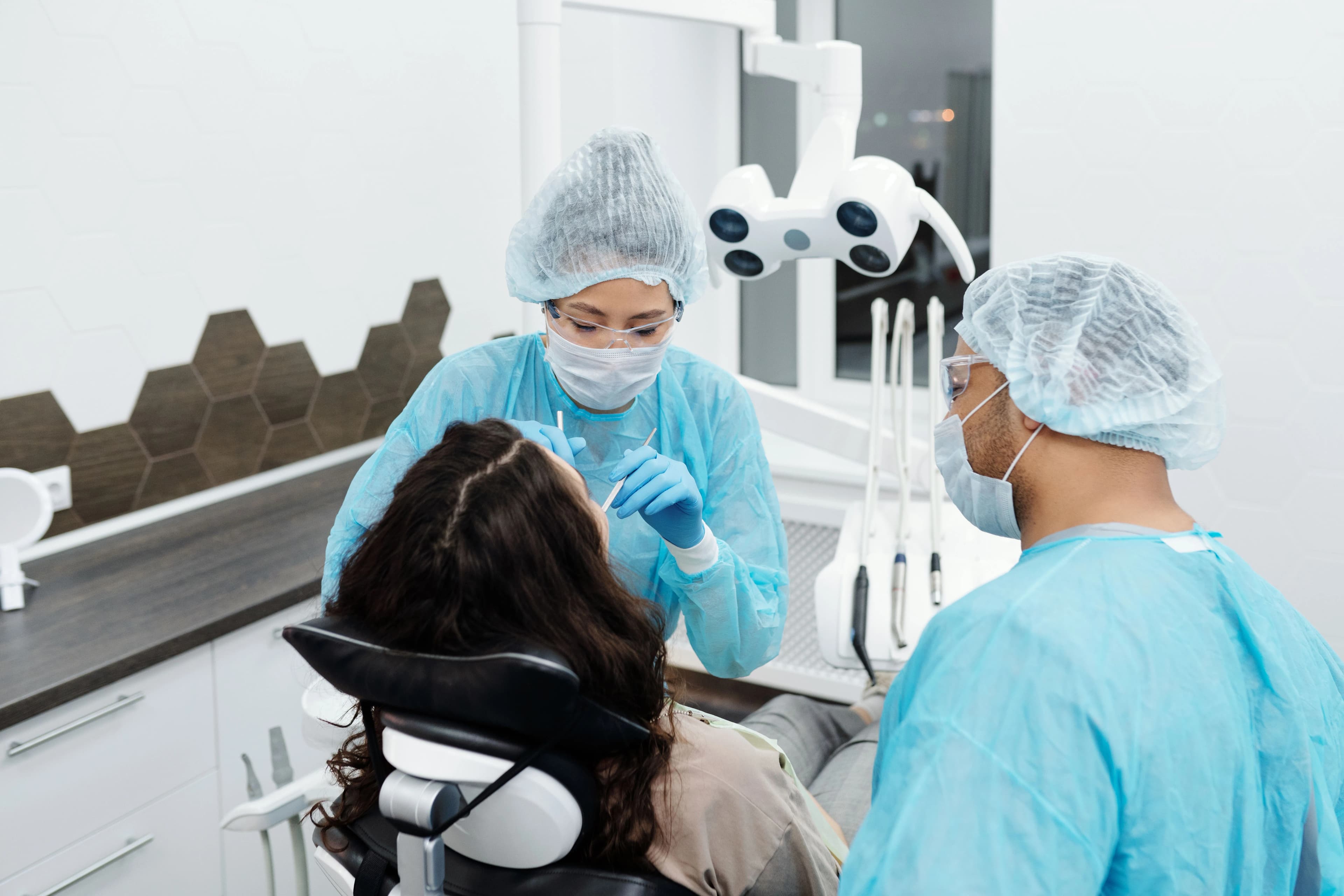
Dental tourism can make sense for some patients, but it should never be treated as a simple shopping decision. The best comparison looks at safety, diagnosis, materials, records, travel timing and aftercare.
Use this checklist before you commit. Dental Treatment is an independent coordination service, not the treating clinic. We can organise records, communication and travel planning, while diagnosis, consent and treatment remain with licensed clinicians at the partner clinic in Hungary.
Before you compare providers
Start with the problem you want assessed rather than a treatment name you have selected yourself. A missing tooth may be suitable for an implant, bridge or another option. A request for veneers may reveal bite, gum or enamel considerations that change the safest plan.
Collect recent X-rays, photographs and a short medical history. Include medication, allergies, smoking or vaping, previous implant treatment and any history of gum disease. Better information makes a preliminary review more useful, although it cannot replace an examination.
1. Compare the complete treatment plan
Ask what is included and what is not. For implants, separate the implant body, abutment, crown, CBCT scan, temporary teeth, bone grafting, sinus lift, medication and review appointments.
For crowns and veneers, ask about material, lab work, temporary restorations, tooth preparation and bite planning.
A useful written estimate should identify assumptions and possible additions. Compare like with like rather than comparing one complete plan with another provider's headline price.
2. Ask what can change after diagnostics
Good clinics explain uncertainty. Bone volume, gum health, infection, bite forces and medical history can all change the plan.
Be careful with guaranteed final prices before appropriate records or examination.
Ask who completes the clinical assessment, when the definitive treatment plan is agreed and what happens if the in-person findings differ from the remote review. Consent should happen before treatment, with alternatives and material risks explained by the treating clinician.
3. Verify who is providing the treatment
You should be able to identify the clinic and the dentist responsible for your care before you travel. Ask about the clinician's registration, relevant implant or restorative experience, and how the clinic handles urgent concerns.
Also distinguish the coordinator from the healthcare provider. A coordinator may help collect records, arrange appointments and keep communication moving, but should not diagnose or promise a clinical result.
4. Check travel and recovery timing
Ask how long you should stay, whether the treatment is staged and when flying home is realistic. Surgical procedures may need recovery time, and implants may need months of healing before final restorations.
Leave space in the itinerary for diagnostics, laboratory work and review. The cheapest flight home may be poor value if it leaves no time for a planned check. For staged implant treatment, request the likely number of visits and the purpose of each one.
5. Plan aftercare before you travel
Ask who answers questions after you return home, what symptoms are urgent and what information a local dentist would need if maintenance is required later.
Clarify the difference between routine maintenance, warranty conditions and treatment for a complication. Ask whether a local dentist can service the proposed implant system and whether returning to Hungary could be required for corrective work.
6. Request records before leaving
Keep copies of implant system details, X-rays, invoices, treatment summaries, material notes and aftercare instructions. Records are not paperwork for paperwork's sake; they protect future maintenance.
For implants, request an implant passport or equivalent record showing the brand, system, position and dimensions where available. Our detailed implant records guide provides a practical list to save before travelling home.
7. Protect the travel plan
Read the terms of your travel insurance carefully; standard policies may exclude planned treatment and related complications. Keep the clinic's contact details available offline, take enough prescribed medication for the agreed period and avoid planning important work or events immediately after surgery.
If you are travelling with a companion, confirm whether the accommodation and transfer arrangements cover both of you. International patients can use the Hungary dental travel guide to plan the practical side without mixing it into the clinical decision.
8. Watch for red flags
Be careful with pressure to book immediately, vague clinic identity, missing treatment records, prices that hide key components, or promises that ignore diagnosis.
Other warning signs include:
- a treatment recommendation based only on a short message;
- refusal to name the implant or restorative material;
- no written explanation of staged visits or healing time;
- guarantees that do not explain conditions and exclusions;
- an agency presenting itself as the treating clinic; or
- no clear route for questions after you return home.
9. Use price as one factor, not the whole decision
Savings matter. But the best result is a predictable treatment plan where the saving survives travel, time away, recovery and future maintenance.
Use published figures as starting points only. A patient-specific estimate should follow record review, and the final clinical plan may change after examination and imaging in Hungary.
Continue your planning
Use the guide to requesting a dental quote online before sending records. Patients comparing implants can also review dental implants in Hungary, while the records and aftercare guide explains how future maintenance can be planned from the start.
Ready to compare your options?
Send your details for a clearer plan.
Share what you want to fix, where you are based and any X-ray or scan you already have.